


Saudi Exports 2025: A Roadmap to The World
- June 6, 2025
- Posted by: Marketing
- Category: Blog
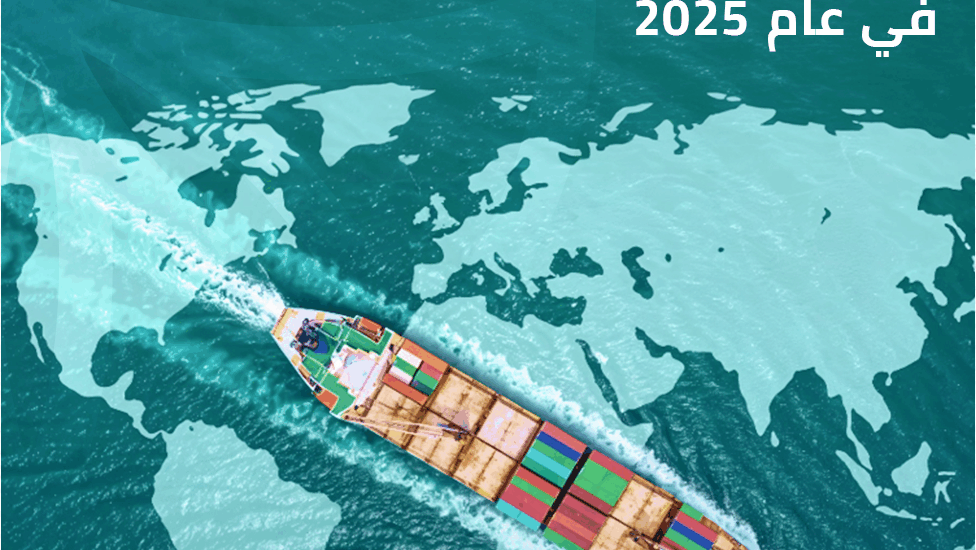
The export sector is a fundamental pillar for any economy striving for growth and prosperity, and Saudi Arabia is no exception in this context. With its ambitious aspirations to achieve Vision 2030, the Kingdom is undergoing structural economic transformations aimed at diversifying sources of income and reducing reliance on oil. This makes understanding the future export landscape of paramount importance. While it’s difficult to definitively identify comprehensive and accurate lists of all countries to which the Kingdom will export in 2025, given the dynamic nature of global markets and fluctuating economic forecasts, we can build strong predictions based on current and historical trade patterns, as well as global economic outlooks.
Oil Dominance and Diversification Trends
Saudi Arabia’s exports have long been primarily driven by crude oil and petroleum products. Consequently, the Kingdom’s main export destinations are heavily influenced by global energy demand. However, “Vision 2030” serves as a strong impetus towards diversifying non-oil exports, which include vital sectors such as petrochemicals, plastics, processed food products, and other manufactured goods. This direction aims to build a more flexible and sustainable economy, less susceptible to global oil price fluctuations.
Key Trading Partners in 2025: Continuity and Strengthening Relationships
Based on recent data (including reports issued in late 2024 and early 2025) and forecasts, Saudi Arabia’s main export partners remain largely consistent, with some existing relationships strengthening and new opportunities emerging.
Key Expected Export Destinations:
- China: China remains the largest destination for Saudi exports, particularly oil. This is due to the enormous size of its economy and its increasing energy needs to meet the demands of its industrial and consumption growth. The trade relationship between the two countries is strategic and growing, also involving mutual investments in various sectors.
- Japan: Another Asian market of utmost importance for Saudi oil and petroleum product exports, in addition to some petrochemical products. Japan is known as a major energy importer and maintains strong and stable trade relations with the Kingdom.
- India: India represents a rapidly growing market and a major importer of Saudi energy. With a growing population and steady economic growth, Indian demand for energy sources and other products is expected to increase, solidifying its position as a key trading partner for the Kingdom in 2025 and beyond.
- South Korea: Another major Asian trading partner, heavily reliant on energy imports. South Korea is one of the major industrialized nations, making it a target market for some Saudi petrochemical products as well.
- United States of America: The United States continues to be an important export destination for the Kingdom, although the focus has partly shifted in recent years. Trade relations between the two countries are deep and encompass multiple sectors.
- United Arab Emirates: The UAE is a major regional trade hub and a vital partner within the Gulf Cooperation Council. Trade relations between Saudi Arabia and the UAE are an integral part of regional economic integration, including re-exports and mutual investments.
- Other Asian Countries: This category includes countries such as Malaysia, Singapore, and Thailand, which are considered important and growing markets for Saudi exports, whether oil or non-oil. These countries have dynamic economies and have witnessed increasing demand for various goods and services.
- European Union Countries: Despite the geographical distance, EU countries such as the Netherlands, Italy, Spain, and Germany remain regular importers of Saudi products, especially energy and petrochemicals. Trade ties with Europe are strong and based on decades of exchange.
Key Trends and Factors Affecting Exports in 2025:
Several key factors will shape the Kingdom’s export landscape in 2025:
- Continued Importance of Asia: Asia, especially East and South Asia, will remain the dominant region for Saudi exports due to its high energy demand and rapidly growing economies. These markets are expected to remain the main drivers of overall export volume.
- Diversification of Non-Oil Exports: As mentioned, Saudi Arabia is actively working to increase the volume and scope of its non-oil exports. This includes focusing on boosting the production and export of petrochemicals, plastics, processed food products, basic metals, and industrial products. This trend may lead to an expansion of the range of importing countries, to include new markets in Africa, Latin America, and other parts of the world, in an effort to reduce risks associated with reliance on limited markets.
- Global Economic Growth: The overall health of the global economy, especially in major importing countries, will directly impact demand for Saudi exports. Strong economic growth boosts consumption and industry, thereby increasing the need for energy, raw materials, and finished products. Any global economic slowdown could negatively affect export volumes.
- OPEC+ Policies: Oil export volumes will continue to be affected by the production agreements set by the OPEC+ group. These policies play a crucial role in determining global supply and demand, thus impacting the Kingdom’s export quotas.
- Geopolitical Stability: Regional and global geopolitical events can always affect trade routes and partnerships. Stability in production, transport, and shipping areas is vital to ensure a smooth flow of exports. Any tensions or disruptions could pose logistical challenges or affect importer confidence.
Conclusion: A Promising Outlook
In summary, while precise figures and rankings may change slightly, Saudi Arabia’s key export partners in 2025 are expected to remain largely the same, with a continued strong focus on Asian economic powers. More importantly, there is an increasing emphasis on diversifying non-oil exports to a wider range of global markets. This trend reflects the Kingdom’s steadfast commitment to achieving the goals of Vision 2030 and building a diversified, sustainable economy that holds a leading position in international trade. With continued efforts to enhance the competitiveness of Saudi products and open new markets, the future of Saudi exports appears promising and full of opportunities.
How can we help you?
Contact us at the Consulting WP office nearest to you or submit a business inquiry online.